Bathroom safety can be easy to put off. The room still works, the towel bar still hangs there, and nobody wants to think about a fall. Fall is a good time to take a closer look, especially before holiday guests arrive and colder weather makes a wet bathroom feel less forgiving.
A safe bathroom does not need to look institutional. The right grab bar, better lighting, a secure shower seat, or a handheld shower head can fit the room and make daily routines feel easier. The important part is installing each item for the way it will actually be used.
This guide covers grab bar installation in Clarksville, TN homes, rentals, and properties being prepared for sale. Fix It Quick Network is a referral network, not a repair crew. We can match you with a vetted local pro who can review the wall, the hardware, and the condition behind the finished surface.
1. Fall is a good time to review bathroom safety
Start with the room people use when they are tired, wet, and often moving in limited light. A slippery tub floor, a high shower threshold, or a loose wall fixture may not seem serious during the day. The risk feels different at night or after an illness, surgery, or change in balance.
Older homeowners are not the only people who benefit from bathroom safety updates. Multi generational households may have children, adults, and older family members using the same tub or shower. A properly placed grab bar can also help someone recovering from an injury without requiring a full bathroom remodel.
Holiday visitors can bring another reason to plan ahead. Guests may not know which floor mat slides, which step is uneven, or where the light switch is located. A few practical updates can make a home in Clarksville feel easier for everyone to use.
Look for these signs first.
- A person steadies themselves on the towel bar.
- The tub edge is hard to step over.
- The floor stays wet after a shower.
- The bathroom path is dark after bedtime.
- Someone avoids the second floor because the stairs feel uncertain.
2. A towel bar is not a grab bar
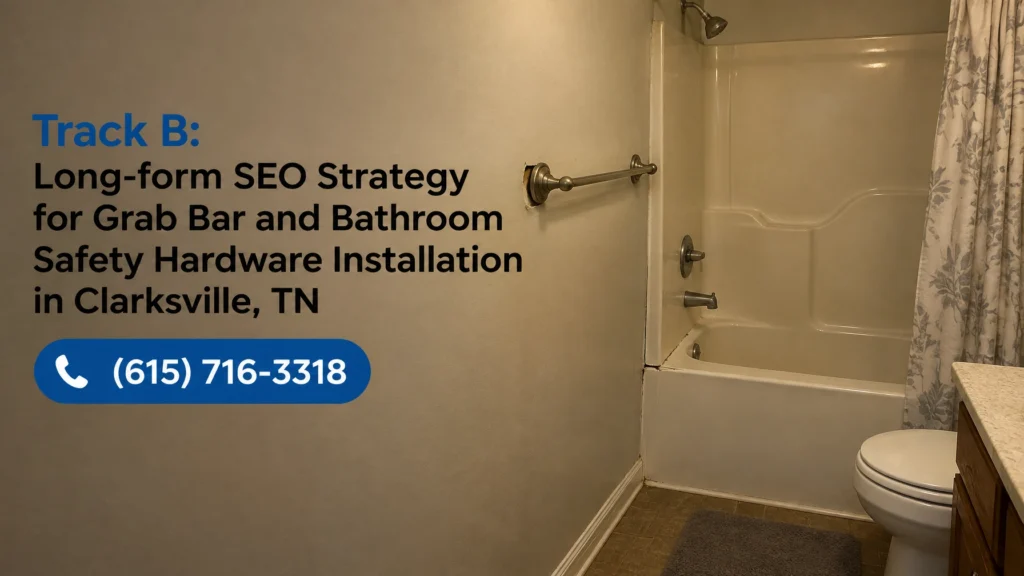
Do not use decorative bathroom hardware to support body weight. A towel bar is built to hold towels, not to stop a fall or help someone rise from a seated position.
The difference is in the bar, the mounting plates, the fasteners, and the structure behind the wall. A real grab bar is designed for people to grip, pull, and steady themselves. It needs a secure connection to studs, solid blocking, or a properly rated mounting system.
Drywall anchors that work for a light picture frame can fail under body weight. A loose towel bar pulled out of drywall may leave torn paper, an enlarged hole, or a soft area around the fastener. That damage should be repaired before new safety hardware is installed.
The same warning applies to suction cup bars. Never trust a suction cup bar to catch someone who is falling. Suction can weaken from moisture, dust, textured fiberglass, or a small break in the seal.
If a towel bar is loose but is only being used for towels, this guide to fixing a loose towel bar in a Clarksville TN home may help explain the difference between ordinary hardware repair and a safety installation.
3. The wall behind the bar matters
Find the structure before choosing the location. A pro will check stud positions, wall thickness, plumbing routes, electrical concerns, and the type of finished surface before drilling.
If the best location falls between studs, solid blocking may be needed. Blocking is wood or another approved reinforcement secured between framing members so the grab bar has a broad, strong attachment area. It is easier to plan during a remodel, but an existing wall can sometimes be opened from the bathroom or the opposite side and patched afterward.
Fiberglass and acrylic surrounds need extra care. The surround itself is usually too thin to carry body weight, and there may be an air gap between the panel and the framing. A bar fastened only to the fiberglass can crack the panel or pull away when someone leans on it.
A safe installation may require spacers, backing, or a mounting system designed for the gap behind the surround. The holes also need to be sealed correctly so water does not travel into the wall. A split caulk line at the tub edge or a hairline crack in the fiberglass surround should be addressed before adding new hardware.

A homeowner in Sango noticed a soft spot by the tub after a family member began using the old towel bar for balance. The wall opening showed that the bar had been mounted into weak drywall, while the nearby caulk had also split. The safety update became a small wall repair and a better mounting plan, not just a hardware swap.
4. Plan support near the shower and water closet
Place support where a person changes position. The shower entrance, the wall beside the user, and the area near the controls may all need different hardware.
A horizontal bar can help with standing and sitting. A vertical bar near the tub or shower entry can help with stepping over the threshold. An angled bar may work for a particular reach pattern, but placement should follow the person using it rather than a generic picture online.
The water closet deserves attention too. A person may need support while sitting down, standing up, or turning. A side wall bar can work where there is enough room, while a folding bar may be appropriate in a tighter bathroom. The wall, floor, clearances, and fasteners all need to support the selected design.
A shower seat can reduce the need to stand on a wet surface. Pairing the seat with a properly positioned grab bar and a handheld shower head can also reduce reaching and twisting. The seat should have a clear weight rating and should not be treated as safe simply because it looks sturdy.
This is practical aging in place home repair in Clarksville. The goal is not to add hardware everywhere. The goal is to make the movements that already happen in the room feel more controlled.
5. Reduce slips, trips, and dark hallways
Grab bars are only one part of bathroom safety. Start with the surface underfoot, especially where water collects.
Use a properly fitted non slip mat or slip resistant strips that stay flat and do not curl at the edges. Keep the tub floor and bathroom floor free of loose rugs that slide when stepped on. If the surface is worn, cracked, or difficult to clean, ask a pro whether replacement or a safer finish makes more sense.
A small threshold ramp can reduce a trip at the bathroom doorway or shower entry. It should not create a new lip, block the door, or interfere with drainage. A higher tub edge may need a different solution than a low shower threshold.
The path to the bathroom matters too. A strong stair handrail can help someone reach a second floor bathroom with less uncertainty. Add low level night lighting along the hall and stairs so people are not walking through a dark room while half awake.

In a St. Bethlehem home, the bathroom itself may be in good condition while the stair route feels less secure after dark. A scuffed wall near the landing can show where people are reaching for balance. That is a useful clue to review the handrail, lighting, and path together.
6. Who benefits from these updates
Bathroom safety hardware can make sense for older homeowners planning to stay in their homes. It can also help families preparing for a parent to move in, a relative to recover after surgery, or a child to share a bathroom with someone who needs more support.
Short term and long term rentals have another concern. A property near Fort Campbell may have frequent turnover, new tenants, and guests who are unfamiliar with the layout. Durable, properly installed safety hardware can be easier to maintain than temporary products that tenants keep repositioning.
Property owners should still choose updates based on the room and the expected use. A small rental bathroom may need one entry bar, better lighting, and a non slip surface. Another property may need support beside the water closet, a shower seat, and a handrail along the stairs.
The best plan is specific. Ask where a person feels unsteady, which movement is difficult, and whether the need is temporary or likely to continue. That information helps the matched pro recommend practical hardware instead of adding items that get in the way.
7. What a landlord and tenant should know
Tenants should not drill into tile, fiberglass, drywall, flooring, or framing without written permission from the landlord or property manager. A permanent grab bar, stair handrail, or threshold change can affect the wall, waterproofing, lease terms, and move out responsibilities.
A landlord can arrange a safety review and approve permanent work. The owner may also choose temporary items such as a properly fitted non slip mat, a freestanding shower seat, a handheld shower head, or battery powered night lighting. Those options still need to be selected carefully and checked for movement.
Disability related modifications can involve housing rules that vary by situation. Payment, permission, installation, and restoration responsibilities may depend on the lease, the property, and applicable law. Tenants and owners should get local legal or fair housing guidance when the request involves a disability accommodation or modification.
For a rental in Woodlawn or elsewhere in Montgomery County, keep the approval in writing. Record the proposed locations, product information, installer details, and who is responsible for future maintenance. Do not let a tenant use a towel bar or suction cup product as a substitute while everyone waits for a decision.
8. Document the work for future decisions
Documentation helps realtors, property managers, and investors see what was planned and what was actually installed. Take clear photos before the wall is opened, after blocking is added, and after the hardware is secured. Keep the product model, weight rating, fastener details, and installation date with the property records.
This matters during a sale. A buyer may want to know whether the bar is a true safety fixture or an ordinary bathroom accessory. A seller preparing a home in Clarksville can also include safety repairs in a broader pre listing repair checklist.
Investors should store the information by property and bathroom. A record can show whether the wall has blocking, whether a fiberglass surround needs special care, and which fixtures may need checking during turnover. It also helps avoid drilling new holes in the wrong locations later.
Costs depend on more than the price of the bar. A straightforward installation into known framing may fall in the low hundreds. Work involving opened walls, added blocking, fiberglass access, drywall repair, waterproofing, several fixtures, or stair work can move into several hundred dollars or more.
The main cost drivers include:
- The number and type of fixtures.
- Access to studs or framing.
- Wall and surround materials.
- Blocking, patching, painting, or waterproofing.
- Plumbing changes for a handheld shower head.
- Floor, stair, or threshold work.
- Whether a specialist is needed.
For rental budgeting, the fall maintenance budget planning guide for Clarksville rental investors can help place safety work alongside other seasonal repairs.
9. Get the right local referral
Some basic checks are reasonable for a homeowner or property manager. Look for a loose bar, a worn mat, a dark path, a split caulk line, or a soft spot near the tub. Do not test a questionable bar by putting body weight on it.
Get matched with a pro before drilling into a fiberglass surround, opening a wall near plumbing, or installing a bar beside a water closet. The pros in our network are licensed and insured. Fix It Quick Network does not perform the repair as its own crew, set the job price, or take the place of a specialist for structural, major plumbing, or other specialty work.
If you would like a bathroom safety review, call or text (615) 716-3318, or request a free match at the contact page. Share the property location, the fixture you are considering, and what feels difficult to use. That gives the local pro a practical starting point.
10. FAQs about bathroom safety hardware
Can a towel bar be used as a grab bar?
No. A towel bar is not designed to support body weight, even if it feels tight on the wall. Use a dedicated grab bar attached to studs, solid blocking, or a mounting system rated for that purpose.
Can a grab bar be installed on a fiberglass shower wall?
Often, yes, but not by relying on the fiberglass panel alone. The installer needs to account for the framing, the space behind the surround, the panel thickness, the fasteners, and waterproof sealing around the holes.
Are suction cup grab bars safe?
They should not be trusted to catch a fall or support full body weight. Suction can release because of moisture, dust, textured surfaces, or a damaged seal. Treat these products as temporary aids only if the manufacturer allows that use, not as a replacement for a mechanically anchored grab bar.
Does a bathroom need blocking before grab bars are installed?
Not always. If the bar can be secured into suitable studs, added blocking may not be needed. If the preferred location falls between studs, a pro may need to add blocking or use a properly rated system that is appropriate for the wall.
What other bathroom safety updates help older homeowners?
A shower seat, handheld shower head, non slip surface, threshold improvement, water closet support, better night lighting, and a stable stair handrail can all help. The right combination depends on the person, the room, and the movements that feel difficult.
Can a tenant install a grab bar without asking the landlord?
A tenant should get written permission before making a permanent change. Grab bar installation may require drilling, blocking, waterproofing, and wall repair, so the lease and applicable housing rules should be reviewed before work begins.